

Social Media and Teeth Trends
Social media and teeth trends may not be the first thing to come to mind when you think about social media, but just take a scroll through TikTok or Instagram for five minutes and you’ll probably come across at least one “tooth hack” promising a brighter, straighter smile overnight. From DIY whitening tricks to trending techniques like “mewing,” social media is full of advice that sounds convincing, looks impressive, and spreads fast.
The problem is, teeth aren’t a trend. And a lot of what’s going viral is either oversimplified, misleading, or flat-out harmful.
Let’s break down a few of the biggest misconceptions.
Not everything that looks natural is safe
One of the most common themes in viral dental content is the idea that “natural” equals safe. You’ll see people recommending lemon juice, apple cider vinegar, charcoal powders, or baking soda as ways to whiten teeth at home.
Here’s what often gets left out: your enamel doesn’t grow back.
Acidic ingredients like lemon juice and vinegar can erode enamel over time. Abrasive substances like charcoal and baking soda can wear it down mechanically. Once enamel is weakened, teeth can become more sensitive, more prone to decay, and ironically, more yellow-looking as the inner dentin becomes more visible.

So while these methods might seem harmless or even effective at first, the long-term effects can be the opposite of what you’re hoping for.
Whitening isn’t one-size-fits-all
Social media also tends to treat whitening like a universal solution. In reality, not all discolouration is the same.
- Surface stains (from coffee, tea, or food) can often be improved with proper cleaning or professional whitening
- Deeper or internal staining may require different approaches
- Some people aren’t ideal candidates for whitening at all, especially if they have sensitivity or certain types of enamel wear
Over-the-counter or DIY methods don’t account for any of this. Professional whitening, on the other hand, is designed to be both effective and safe, with your specific smile in mind.
“Mewing” and the illusion of quick fixes
You’ve probably seen videos claiming you can reshape your jawline or fix your bite just by changing your tongue posture, often referred to as “mewing.”
There is a small grain of truth here. Tongue posture does play a role in oral development, especially in growing children. But the idea that you can significantly change your jaw structure or straighten your teeth as a teen or adult just by adjusting your tongue position is not supported by evidence.
Orthodontic movement involves controlled, gradual changes to bone and tooth position. It requires time, consistency, and the right tools. There isn’t a shortcut.
Social media often compresses complex biological processes into simple, appealing ideas. Unfortunately, that simplicity is where accuracy gets lost.
DIY orthodontics is a real risk.
Another growing trend is people attempting to straighten their teeth at home using rubber bands or mail-order solutions 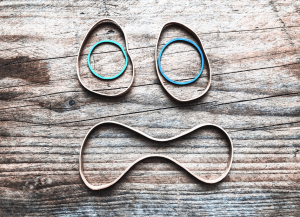 without proper supervision.
This is one of the more concerning ones.
Teeth don’t move in isolation. They’re connected to bone, gums, and surrounding structures. Moving them incorrectly can lead to root damage, gum recession, bite problems, or even tooth loss.
Orthodontic treatment isn’t just about making teeth look straight. It’s about ensuring everything functions properly and stays healthy long-term. That level of planning and monitoring can’t be replaced by a shortcut.
Straight teeth are about more than appearance
A lot of online content frames orthodontics as purely cosmetic. While a straight smile can absolutely boost confidence, there are important health reasons behind treatment as well.
Proper alignment can:
- Make teeth easier to clean, reducing the risk of cavities and gum disease
- Improve bite function, which can reduce uneven wear or strain on the jaw
- Help prevent issues like chipping, crowding, or excessive spacing over time
So yes, aesthetics matter. But function and long-term health matter just as much.
Why misinformation spreads so easily
Social media rewards content that is quick, simple, and visually satisfying. A 10-second video showing a “hack” will always spread faster than a detailed explanation of how enamel works or how teeth move.
Add in filters, lighting, and editing, and it becomes even harder to tell what’s real.
That doesn’t mean all dental content online is bad. There are plenty of great creators sharing accurate information. But it does mean it’s worth pausing before trying something just because it’s trending.
So what should you trust?
It’s completely normal to be curious about what you see online. But a good rule of thumb is to ask:
- Is this backed by science or just personal experience?
- Does it consider long-term effects, or just quick results?
- Would I feel comfortable doing this without professional guidance?
When it comes to your smile, real results come from personalized care, not viral shortcuts.
Final thought
We love a good trend. Just maybe not when it comes to your teeth.
If you’ve seen something online and you’re wondering whether it’s legit, feel free to ask us at your next visit or even send us a message. We’re always happy to help you sort fact from fiction and keep your smile healthy for the long run.